

The psychedelic escape from depression
Psilocybin Research Offers Hope—and Inspires New Interest in Microdosing
What a Johns Hopkins depression study found, and why people are curious about smaller doses
Interest in psilocybin is growing for a reason: people want new ways to support their mental well-being. Some are drawn to the possibility of guided psychedelic therapy. Others are curious about microdosing, taking amounts intended to be small enough to avoid a full psychedelic experience.
A Johns Hopkins study offers an encouraging look at psilocybin-assisted therapy. Researchers followed adults with major depressive disorder after two supported psilocybin sessions. At the 12-month follow-up, 75% met the study’s criteria for a treatment response, and 58% met its criteria for remission. For many participants in this small study, improvement lasted well beyond the treatment sessions.
Why does this matter to people interested in microdosing?
The study reflects a broader shift: researchers are taking psilocybin seriously and asking how it might fit into mental health care. That attention has helped open more thoughtful conversations about mushrooms, well-being, and the different ways people hope to use them.
People interested in microdosing often talk about wanting to feel more present, creative, or connected in everyday life. Those personal experiences are part of why the topic resonates with so many people. Curiosity and careful research can go hand in hand.
The distinction is that this Johns Hopkins study did not test microdosing. Participants received two psilocybin doses in a research setting, with preparation and support from trained facilitators. Its results are promising for the treatment studied, but they cannot tell us whether microdosing improves depression or produces the same lasting benefits.
A promising conversation is just beginning
What makes the Johns Hopkins findings exciting is the possibility that psilocybin-assisted therapy may help some people experience meaningful, lasting relief. The study was small, so larger studies are needed to learn who benefits, what support matters most, and how durable the effects are.
At Mushroom Access, we’re excited to see serious research bring more attention to mushrooms and mental well-being. We’ll keep following the science on both guided therapy and microdosing—and sharing what researchers find as the evidence grows.
This post is for education, not medical advice. The Johns Hopkins researchers cautioned against trying to reproduce their treatment independently. If you’re experiencing depression or considering changes to medication, speak with a qualified health professional.
Source: Johns Hopkins Medicine, “Psilocybin Treatment for Major Depression Effective for Up to a Year for Most Patients, Study Shows”.What a Johns Hopkins depression study found, and why people are curious about smaller doses
Interest in psilocybin is growing for a reason: people want new ways to support their mental well-being. Some are drawn to the possibility of guided psychedelic therapy. Others are curious about microdosing, taking amounts intended to be small enough to avoid a full psychedelic experience.
A Johns Hopkins study offers an encouraging look at psilocybin-assisted therapy. Researchers followed adults with major depressive disorder after two supported psilocybin sessions. At the 12-month follow-up, 75% met the study’s criteria for a treatment response, and 58% met its criteria for remission. For many participants in this small study, improvement lasted well beyond the treatment sessions.
Why does this matter to people interested in microdosing?
The study reflects a broader shift: researchers are taking psilocybin seriously and asking how it might fit into mental health care. That attention has helped open more thoughtful conversations about mushrooms, well-being, and the different ways people hope to use them.
People interested in microdosing often talk about wanting to feel more present, creative, or connected in everyday life. Those personal experiences are part of why the topic resonates with so many people. Curiosity and careful research can go hand in hand.
The distinction is that this Johns Hopkins study did not test microdosing. Participants received two psilocybin doses in a research setting, with preparation and support from trained facilitators. Its results are promising for the treatment studied, but they cannot tell us whether microdosing improves depression or produces the same lasting benefits.
A promising conversation is just beginning
What makes the Johns Hopkins findings exciting is the possibility that psilocybin-assisted therapy may help some people experience meaningful, lasting relief. The study was small, so larger studies are needed to learn who benefits, what support matters most, and how durable the effects are.
At MushAccess, we’re excited to see serious research bring more attention to mushrooms and mental well-being. We’ll keep following the science on both guided therapy and microdosing—and sharing what researchers find as the evidence grows.
This post is for education, not medical advice. The Johns Hopkins researchers cautioned against trying to reproduce their treatment independently. If you’re experiencing depression or considering changes to medication, speak with a qualified health professional.
View our Active Products:
Top rated products
-
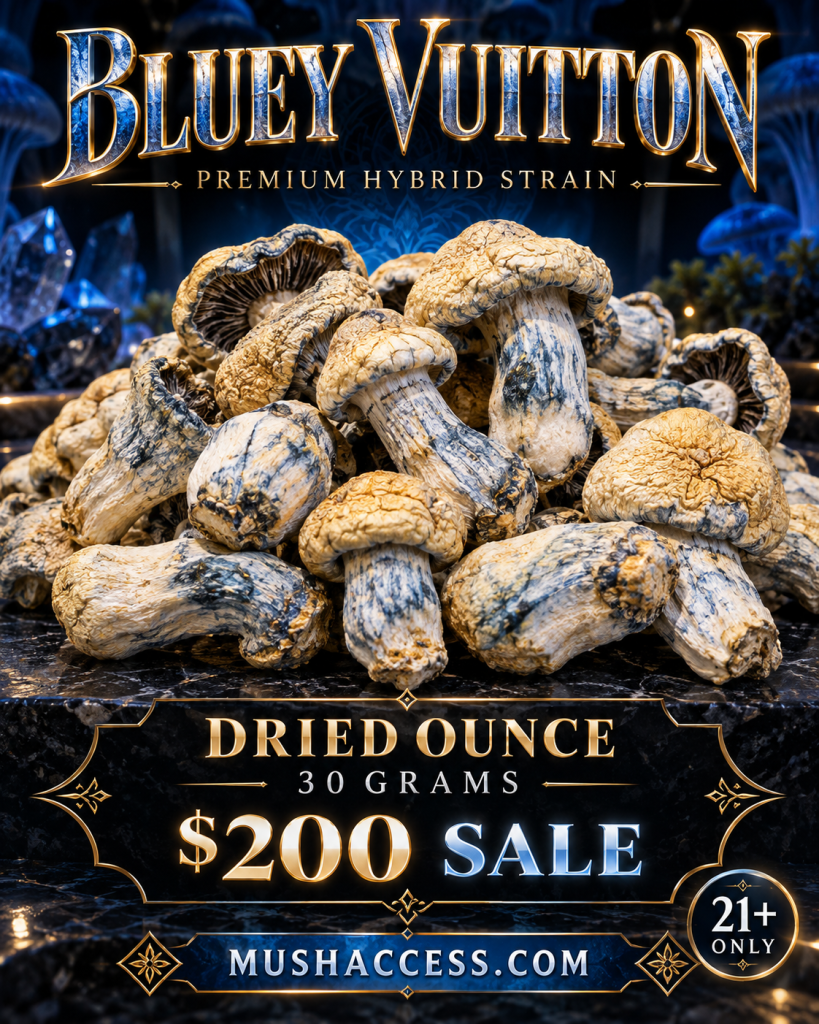
Dried Bluey Vuitton Ounce (30 Grams)
Original price was: $250.00.$200.00Current price is: $200.00. -
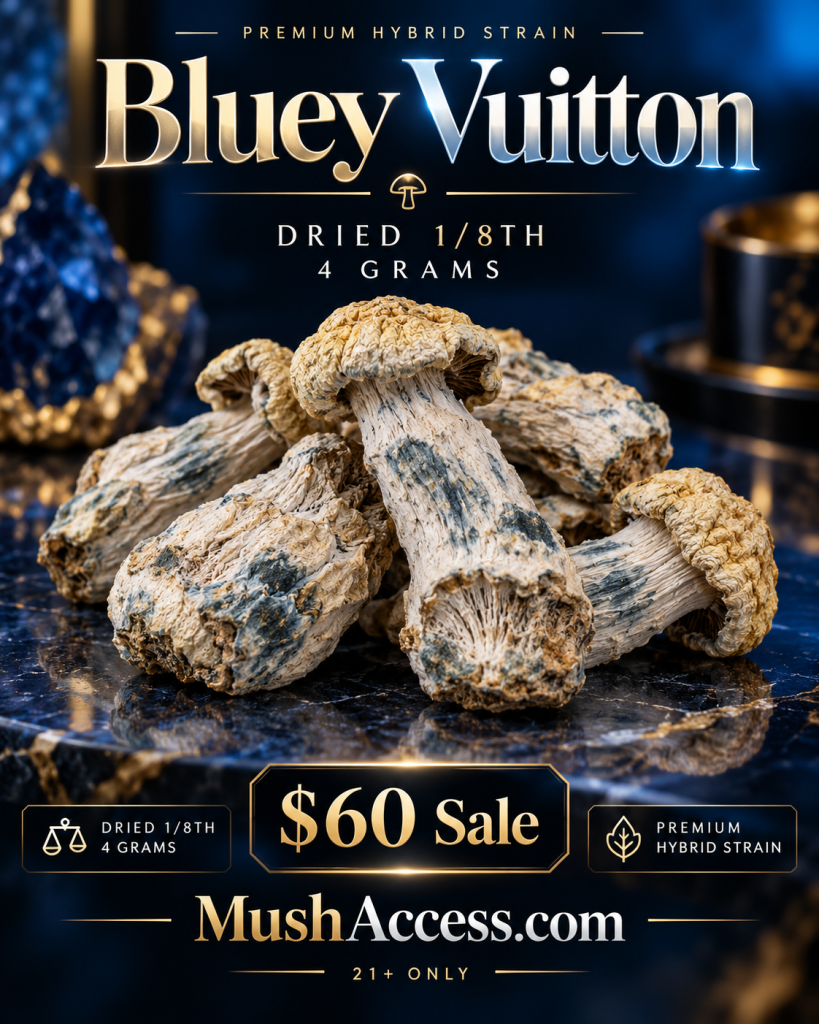
Dried Bluey Vuitton 1/8th (4 Grams)
Original price was: $80.00.$60.00Current price is: $60.00. -
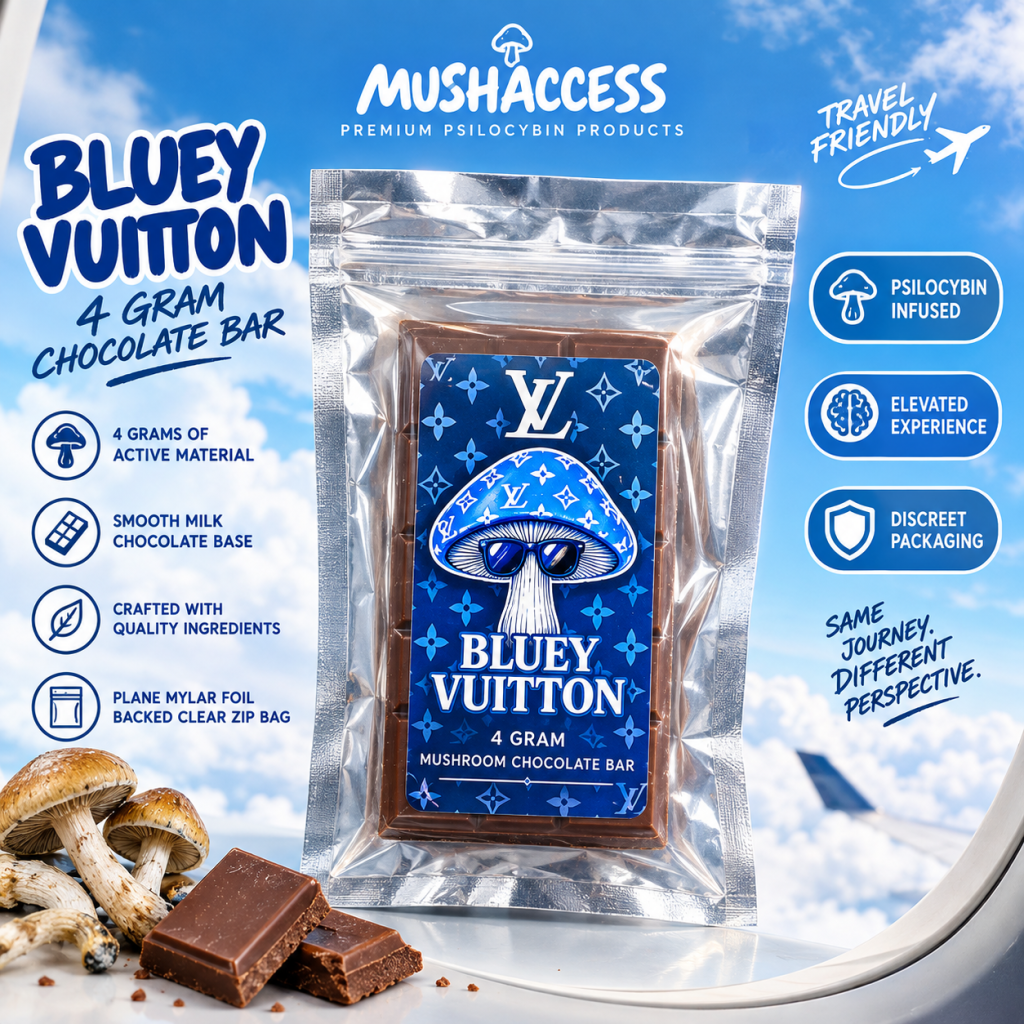
Bluey Vuitton (4 Gram) MushAccess Chocolate Bar
Original price was: $80.00.$50.00Current price is: $50.00. -
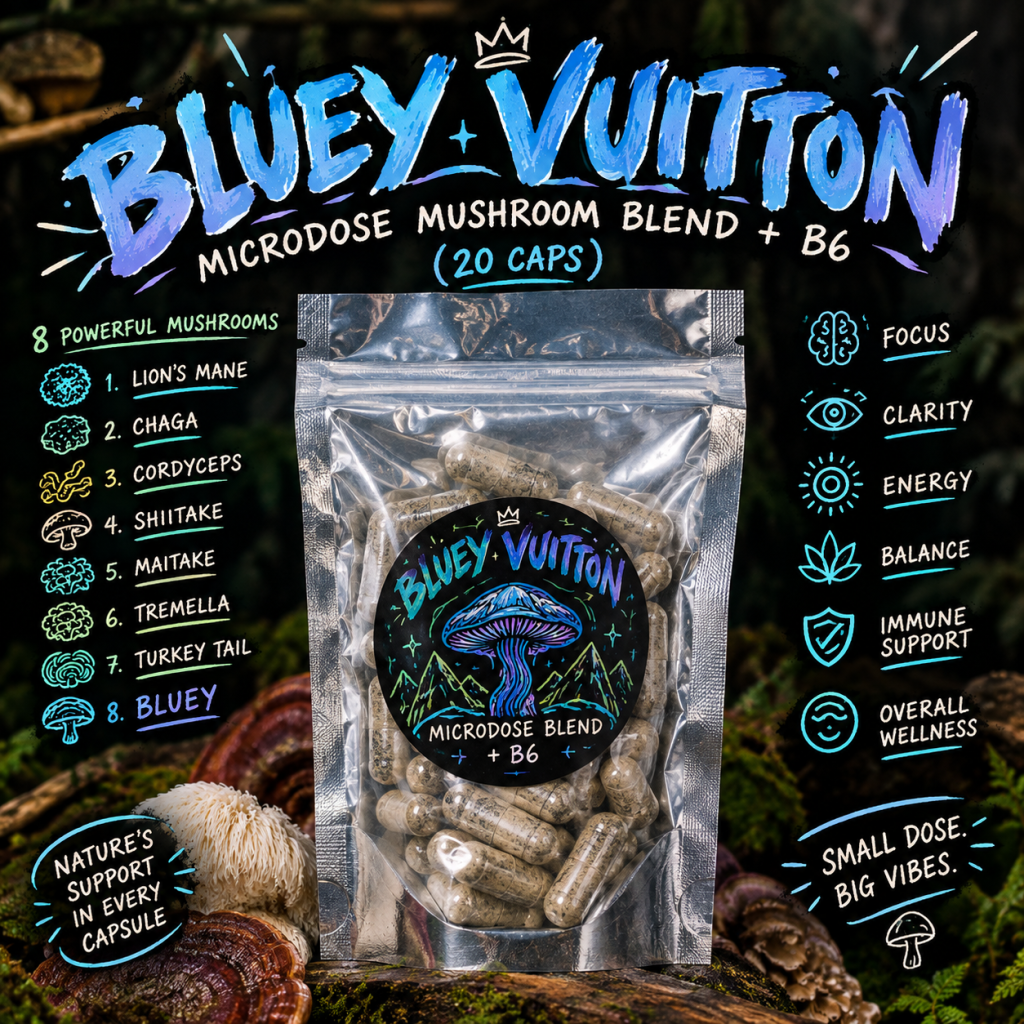
BLUEY VUITTON — MICRODOSE MUSHROOM BLEND + B6 (20 caps)
Original price was: $90.00.$75.00Current price is: $75.00. -
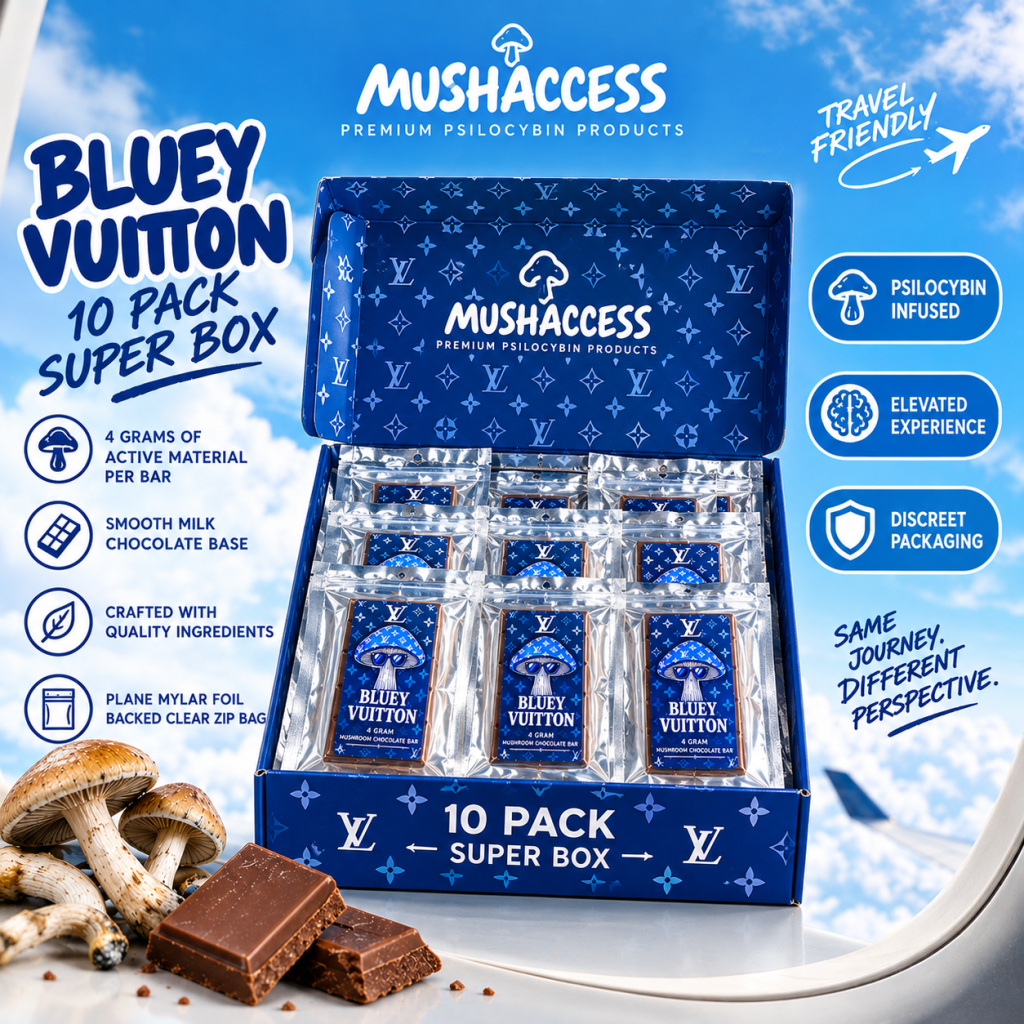
Bluey Vuitton (40 Gram) Chocolate Bars – 10 Pack
Original price was: $500.00.$400.00Current price is: $400.00.

Leave a Reply